
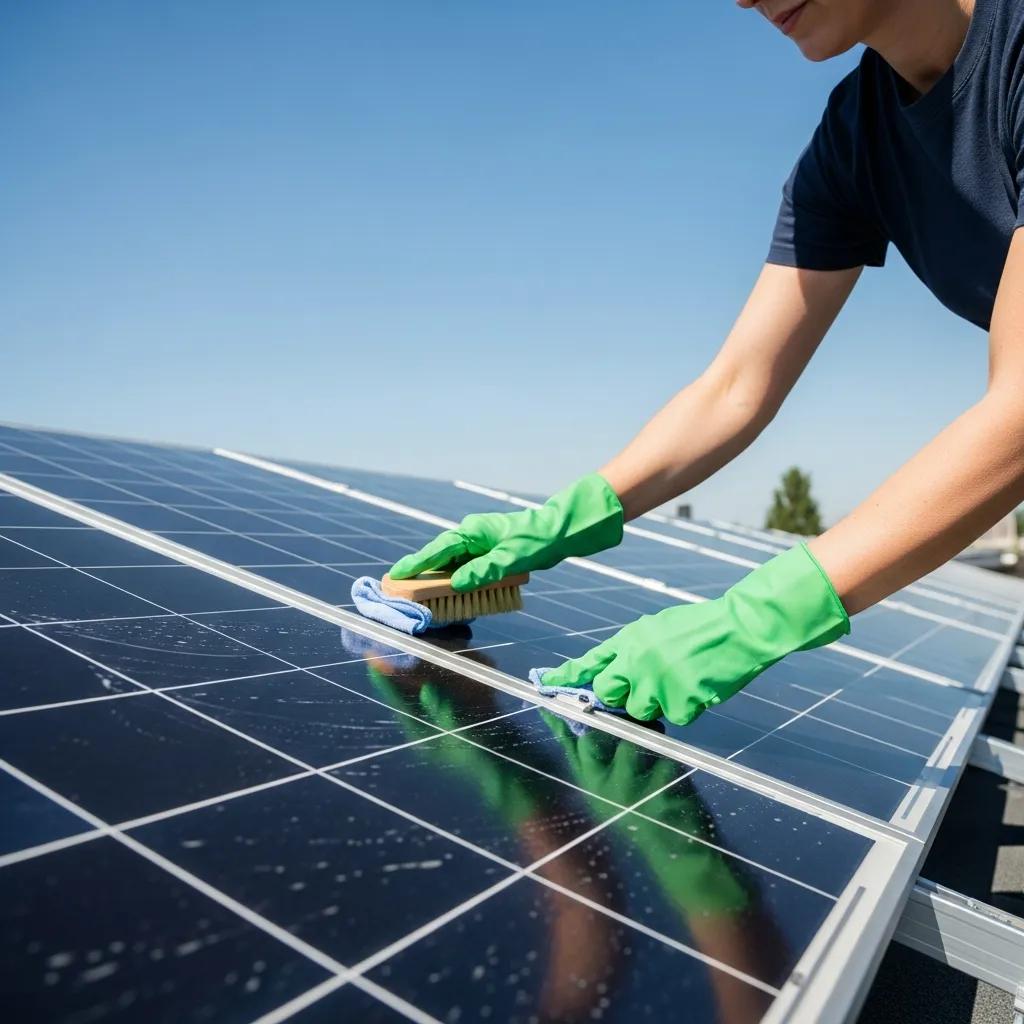
Solar Panel Cleaning: Boost Efficiency and Energy Output
Maintaining the efficiency of solar panels is crucial for maximising energy output and ensuring long-term performance. This article delves into the impact of cleaning on solar efficiency, exploring how dirt and debris can hinder energy production. Readers will learn about the types of contaminants that affect solar panels, the efficiency loss associated with unclean panels, and the benefits of regular cleaning. Additionally, we will discuss effective eco-friendly cleaning methods and the long-term advantages of maintenance. Understanding these factors is essential for homeowners and businesses looking to optimise their solar energy systems.
Impact of Dirt and Debris
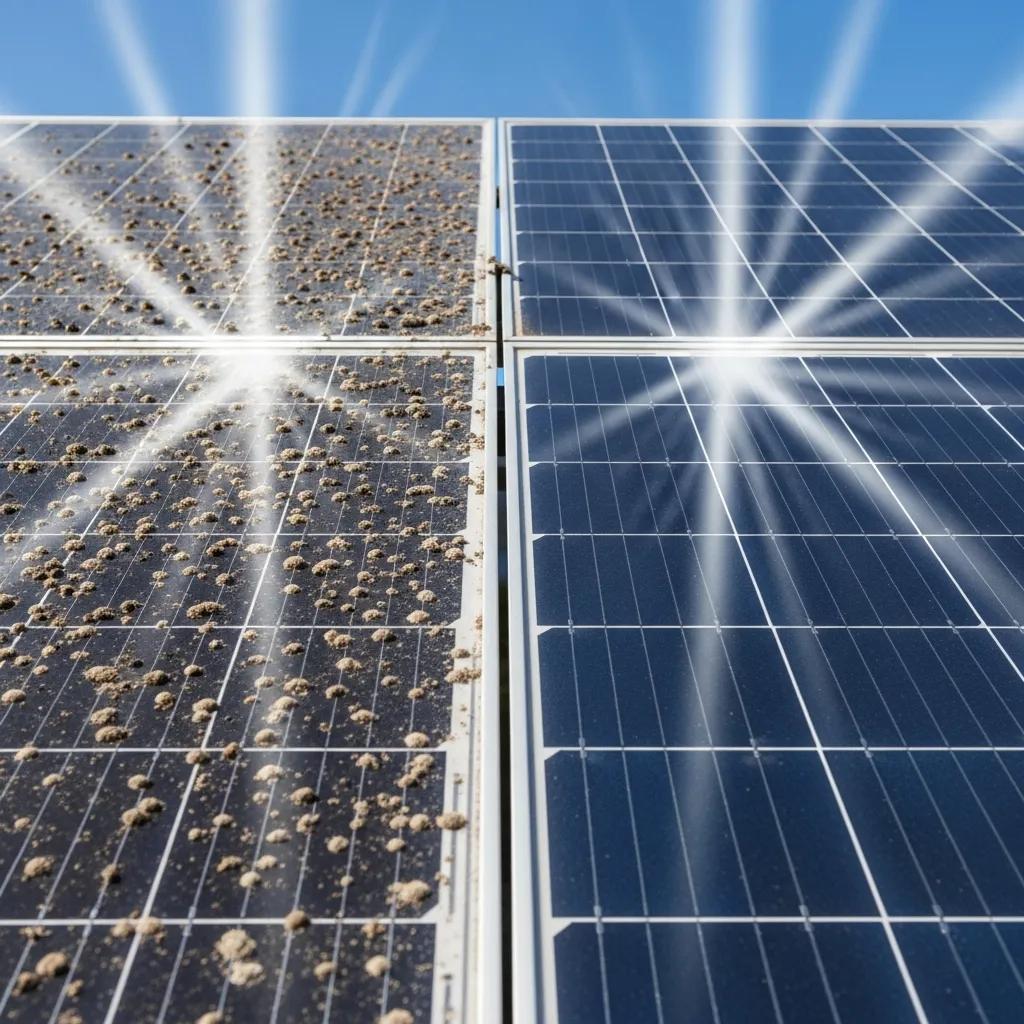
Dirt and debris significantly impact solar panel efficiency by obstructing sunlight absorption. When solar panels are covered with contaminants, they can lose up to 20% of their energy output, though in some cases losses can reach higher percentages depending on the severity of the contamination. This efficiency loss can lead to increased electricity costs and reduced overall performance. Regular cleaning is essential to maintain optimal energy production and ensure that solar panels operate at their best.
Research consistently highlights the critical importance of maintaining clean photovoltaic panels to optimise their efficiency and mitigate power output declines caused by dust accumulation.
Solar Panel Cleaning Technologies for Optimal PV Efficiency
This article explores the evolution and importance of photovoltaic (PV) panels, spanning from their inception to contemporary variations, emphasizing their critical role in addressing global concerns regarding climate change and carbon emissions. It underscores the necessity of maintaining clean photovoltaic panels to optimize efficiency and examines factors affecting dust accumulation and mitigation methods. The literature review highlights the substantial impact of dust accumulation on PV panel efficiency, documenting power output declines due to dust deposition globally.
A comprehensive investigation of solar panel cleaning technologies: A review study, MT Akkoyunlu, 2024
Types of Contaminants
Common contaminants that affect solar panels include:
- Dust: Accumulation of dust can create a film that blocks sunlight.
- Bird Droppings: These can be particularly damaging as they can etch the surface of the panels.
- Pollution: Environmental pollutants can settle on panels, reducing their efficiency.
Understanding these contaminants is vital for implementing effective cleaning strategies.
Efficiency Loss from Unclean Panels
The efficiency loss from unclean panels can be substantial. Reports indicate that dirty solar panels can lose up to 20% of their energy production, although specific conditions may lead to even greater losses. This loss not only affects energy output but can also lead to increased electricity costs for homeowners. Regular cleaning can help restore lost energy output, making it a worthwhile investment for solar panel owners.
Empirical studies further underscore this point, demonstrating how environmental contamination negatively impacts energy production, with investigations comparing regularly cleaned panels against contaminated ones revealing significant differences.
Environmental Contamination & PV Energy Production Impact
Solar power is an unlimited source of power in theory when compared to the needs of the planet, however, in practice it is still a source of power convertible to electrical energy on a limited basis. In this context, efficiency of this energy conversion by photovoltaic panels has a great importance. Panel surface taking a sufficient amount of light at the right angle has a direct effect on efficiency. This is related to keeping the panel surface as clear as possible of dust and similar objects which can be reflective and absorptive. The contamination of photovoltaic panels has a negative effect on the energy production of panels. In this study, the effect of panel surface contamination, one of the most important factors affecting panel efficiency, was investigated. The investigation was conducted by comparing data from two panel strings standing very close to each other in a plant, one of which was cleaned regularly and the other left contaminated.
Investigation of the effect of short term environmental contamination on energy production in photovoltaic panels: Dicle University solar power plant example, C Haydaroğlu, 2017
Benefits of Regular Cleaning
Regular cleaning of solar panels offers several key benefits:
- Restores Energy Output: Cleaning can restore a significant portion of lost energy output.
- Reduces Maintenance Costs: Keeping panels clean can prevent costly repairs over time.
- Extends Lifespan: Regular maintenance helps prolong the lifespan of solar panels.
For those looking to maximise their solar investment, regular cleaning is essential.
How Does Cleaning Improve Solar Power Efficiency?
Cleaning solar panels enhances their efficiency by ensuring maximum sunlight absorption. When panels are free from dirt and debris, they can operate at their full potential, leading to improved energy production. This is particularly important in areas with high dust levels or frequent bird activity.
What Are the Long-Term Advantages of Panel Maintenance?
Long-term maintenance of solar panels not only enhances energy efficiency but also prevents costly repairs from neglect. Regular cleaning and inspections can identify potential issues before they become significant problems, ensuring that solar systems remain functional and efficient for years to come.
Indeed, research confirms that periodic cleaning is fundamentally necessary to boost PV module efficiency and productivity, thereby extending the overall operational life of the entire solar plant.
Solar Panel Cleaning: Boosting PV Efficiency & Lifespan
Fotovoltaik (PV) teknolojisi, diğer güneş enerjisi teknolojileri arasında en büyük paya sahiptir ve PV panellerinin güvenilirliği açısından, biriken Aeolian tozu ve kir, sistem performansını düşürür. Bu nedenle, bu çalışma, kasıtlı olarak, periyodik temizliği ile ilişkili panellerin verimliliği ve üretkenliğiyle odaklanmayı amaçlamaktadır. Elde edilen sonuçlara göre, PV modülleri ile ilgili temizliğin esasen gerekli olduğu söylenebilir. Böylelikle, genel üretkenlik artırılırken, tüm santralin çalışma ömrü uzatılabilir.
The Importance of Solar Panel Maintenance An experimental study on effectiveness of PV panels cleaning with deionized pure water in Turkey, M Turhan, 2021
Effective Eco-Friendly Cleaning Methods
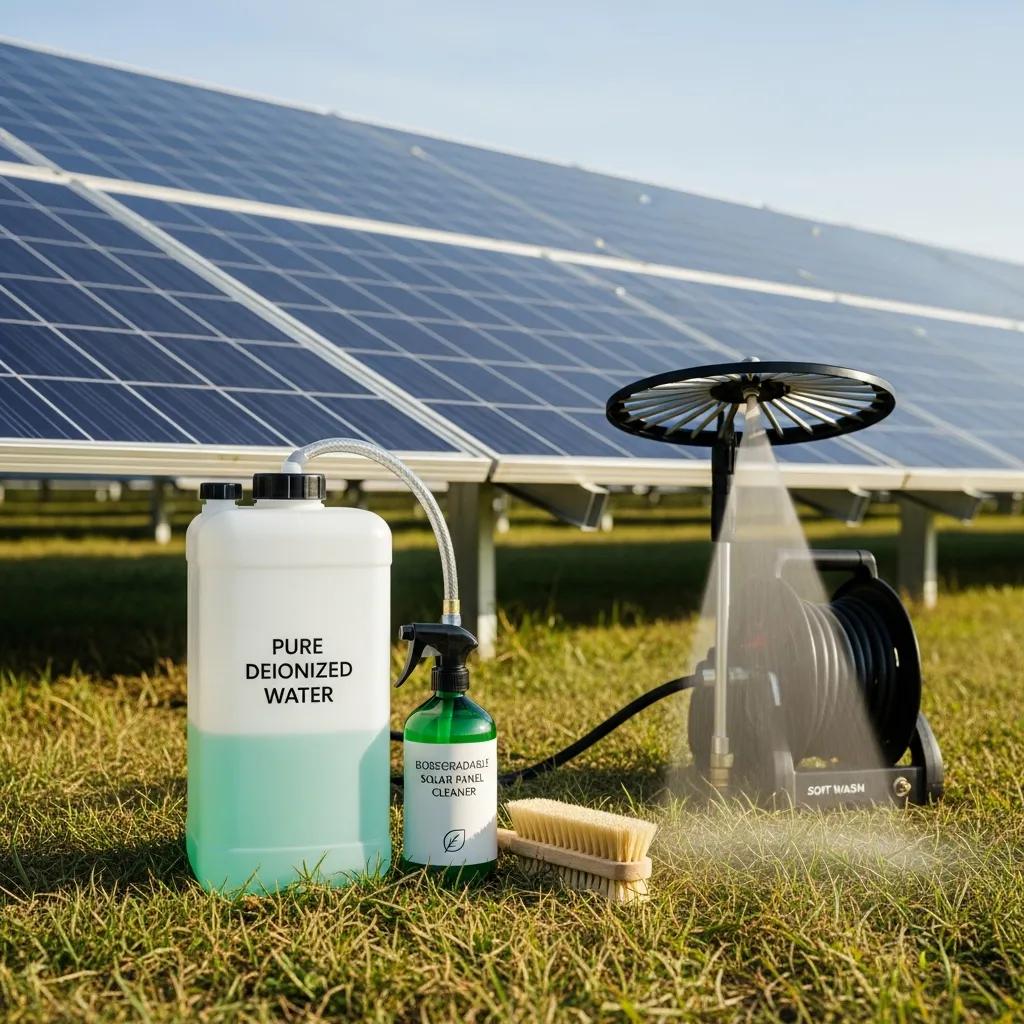
Implementing eco-friendly cleaning methods is crucial for maintaining solar panels without harming the environment. Recommended practices include:
- Use of Pure Deionised Water: This ensures no residue is left behind after cleaning.
- Low-Pressure Soft Wash Techniques: These methods effectively clean without damaging the panels.
- Biodegradable Cleaning Solutions: These are preferred to minimise environmental impact.
How Does Dirt and Debris Affect Solar Panel Efficiency?
Dirt and debris can significantly reduce solar panel efficiency by blocking sunlight. Studies show that even a thin layer of dust can lead to a noticeable drop in energy production. Homeowners should be aware of the financial implications of dirty panels, as the cost of lost energy can add up over time.
What Types of Contaminants Reduce Solar Energy Yield?
The types of contaminants that can reduce solar energy yield include:
- Dust: Accumulates over time and blocks sunlight.
- Bird Droppings: Can cause permanent damage if not cleaned promptly.
- Pollution: Environmental factors can lead to a buildup of grime.
Understanding these contaminants helps in planning effective cleaning schedules.
When Should Solar Panels Be Professionally Cleaned for Optimal Efficiency?
It is recommended to clean solar panels every 6 to 12 months, depending on environmental factors. Areas with high dust levels or frequent bird activity may require more frequent cleaning. Regular maintenance maximises efficiency and ensures that solar panels continue to perform optimally.
How Often Is Professional Cleaning Recommended?
Professional cleaning is essential for maintaining solar panel efficiency. The frequency of cleaning depends on local environmental conditions, but regular cleaning can help restore lost energy output and improve overall performance.
What Are the Advantages of Hiring Expert Cleaning Services?
Hiring professional cleaning services for solar panels offers several advantages:
- Cost-Effective: Professional cleaning can save money in the long run by preventing damage.
- Improves Efficiency: Experts use techniques that enhance panel performance.
- Utilises Specialised Equipment: Professionals have access to tools that ensure thorough cleaning.
For optimal results, consider engaging a professional service like Jetblast Pressure Washing, which specialises in eco-friendly cleaning methods.
| Cleaning Method | Effectiveness | Environmental Impact |
|---|---|---|
| Pure Deionised Water | High | Low |
| Low-Pressure Soft Wash | Medium | Low |
| Biodegradable Solutions | High | Very Low |
This table illustrates the effectiveness and environmental impact of various cleaning methods, highlighting the importance of choosing eco-friendly options.
By understanding the impact of cleaning on solar efficiency, homeowners can make informed decisions to maximise their solar energy systems. Regular maintenance not only enhances performance but also contributes to long-term savings and sustainability.