
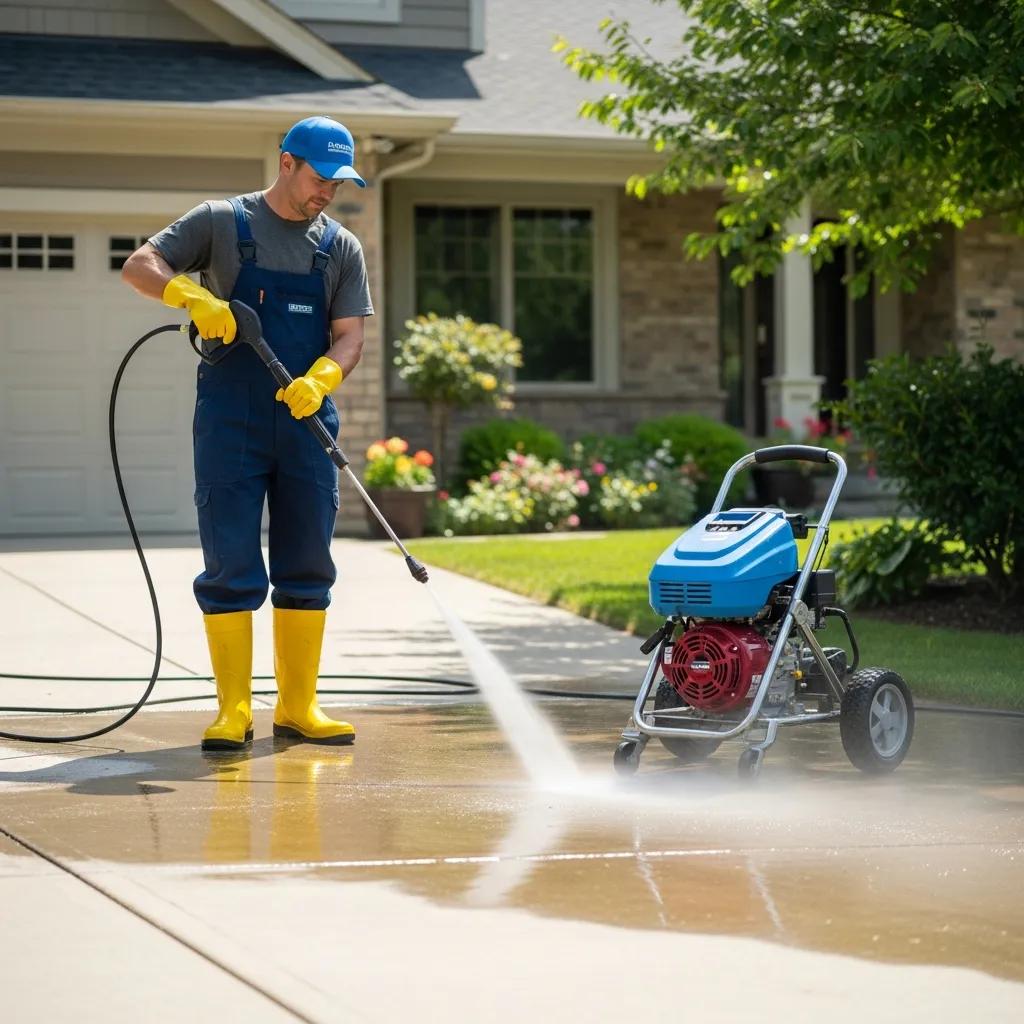
Ultimate Driveway Cleaning Methods, Costs & Eco-Friendly Options
Maintaining a clean driveway is essential for enhancing the curb appeal of your property and prolonging the lifespan of the surface. Professional driveway cleaning services offer a range of methods tailored to different materials, ensuring effective removal of dirt, stains, and debris. This comprehensive guide will explore the most effective driveway cleaning methods, the costs associated with these services in Australia, and eco-friendly options available. Many homeowners struggle with stubborn stains and the buildup of grime, which can detract from the overall appearance of their property. By understanding the various cleaning techniques and their benefits, you can make informed decisions about maintaining your driveway. We will cover effective cleaning methods, pricing factors, eco-friendly solutions, recommended cleaning frequencies, best practices for sealing, and customer feedback on these services.
What Are the Most Effective Driveway Cleaning Methods?
When it comes to driveway cleaning, several methods stand out for their effectiveness in restoring surfaces to their original condition. Each method has its unique advantages, making it essential to choose the right one based on the driveway material and the type of stains present.
How Does Pressure Washing Restore Driveway Surfaces?
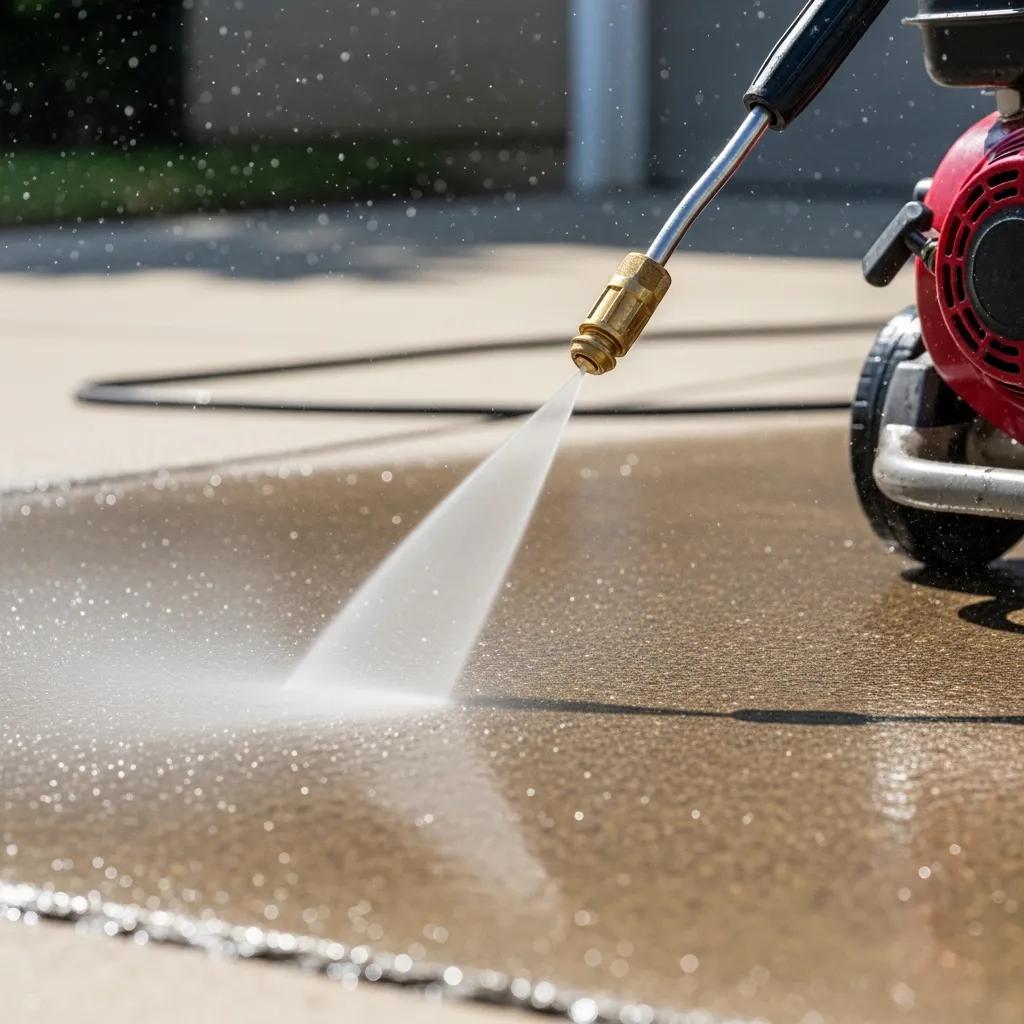
Pressure washing is a highly effective method for cleaning driveways, utilising high-pressure water jets to remove dirt, grime, and stains. This technique works by dislodging debris from the surface, making it particularly beneficial for concrete and asphalt driveways. The force of the water can penetrate deep into the surface, ensuring a thorough clean that can restore the driveway’s appearance. Additionally, pressure washing is quick and efficient, often requiring less time than other cleaning methods, which is a significant advantage for busy homeowners.
What Are the Benefits of Chemical Treatments and Stain Removal?
Chemical treatments are another effective option for driveway cleaning, particularly for tackling tough stains such as oil, rust, and mildew. These treatments often involve biodegradable chemicals that break down stains at a molecular level, making them easier to wash away. The primary benefit of using chemical treatments is their ability to target specific types of stains, providing a more thorough clean than water alone. Moreover, many modern chemical solutions are designed to be environmentally friendly, ensuring that they do not harm surrounding plants or wildlife.
How Much Does Professional Driveway Cleaning Cost in Australia?
The cost of professional driveway cleaning in Australia can vary significantly based on several factors, including the type of cleaning method used, the size of the driveway, and the level of staining. Understanding these costs can help homeowners budget effectively for maintenance.
What Factors Influence Driveway Cleaning Pricing?
Several key factors influence the pricing of driveway cleaning services:
- Size of the Driveway: Larger driveways typically require more time and resources to clean, leading to higher costs.
- Type of Cleaning Method Used: Pressure washing may be priced differently than chemical treatments, with some methods being more labour-intensive.
- Location and Accessibility: Driveways that are difficult to access may incur additional charges due to the extra effort required.
How to Compare Pricing for Concrete, Pavers, and Asphalt Cleaning?
When comparing pricing for different driveway materials, it’s essential to consider the following:
| Service Type | Pricing | Factors Influencing Cost |
|---|---|---|
| Concrete Cleaning | $150 – $300 | Size, stains, method |
| Paver Cleaning | $200 – $400 | Type of pavers, stains |
| Asphalt Cleaning | $100 – $250 | Size, accessibility |
This table illustrates the average costs associated with cleaning various driveway materials, helping homeowners make informed decisions based on their specific needs.
What Are Eco-Friendly Driveway Cleaning Options and Their Benefits?

As environmental concerns grow, many homeowners are seeking eco-friendly driveway cleaning options that minimise harm to the environment. These methods not only protect local ecosystems but also provide effective cleaning solutions.
Which Biodegradable Chemicals Are Safe for Plants and Environment?
Biodegradable chemicals are designed to break down naturally without leaving harmful residues. Some safe options include:
- Citrus-based cleaners: Effective for removing grease and oil stains while being safe for plants.
- Vinegar solutions: A natural alternative for tackling mildew and algae without harsh chemicals.
- Baking soda: Useful for scrubbing away tough stains while being gentle on the environment.
These options ensure that your driveway can be cleaned effectively without compromising the health of surrounding vegetation.
How Do Sustainable Cleaning Practices Impact Driveway Maintenance?
Sustainable cleaning practices not only benefit the environment but also enhance the longevity of your driveway. By using eco-friendly products, homeowners can reduce the risk of chemical damage to the surface and surrounding areas. Additionally, these practices often involve less water usage, making them more resource-efficient. Regular maintenance using sustainable methods can lead to fewer repairs and a longer lifespan for your driveway.
The importance of sustainable practices extends beyond individual home maintenance, encompassing broader operational considerations for environmental protection.
Sustainable Practices for Environmental Protection in Operations
This report identifies seven ways in which an SHA can harm the environment: (1) excessive consumption of virgin materials; (2) unnecessary levels or amounts of storm water runoff; (3) release of environmental contaminants by SHA employees and contractors; (4) inadequate environmental training of employees and contractors; (5) wasteful use of energy by SHA employees and contractors; (6) the promotion of excessive driving by the public and concomitant release of green house gases; and (7) inadequate oversight mechanisms and procedures to prevent unsustainable practices. The report then identifies the sustainable practices and related performance measures SHAs can use to prevent or minimize each type of environmental harm and reduce its overall use of resources. SHAs are adopting many of these practices. Given the diversity of ways that the activities of a SHA can harm the environment, it is imperative that SHAs respond along a comprehensive front. A comprehensive program for sust
Sustainable practices and related performance measures at State Highway Agencies, L O’Connell, 2010
How Often Should You Schedule Professional Driveway Cleaning?
Regular driveway cleaning is crucial for maintaining its appearance and preventing long-term damage. The frequency of cleaning can depend on several factors, including the material of the driveway and local environmental conditions.
What Are Recommended Cleaning Frequencies for Different Driveway Materials?
Different materials require varying cleaning frequencies:
- Concrete: Every 1-2 years to prevent staining and deterioration.
- Pavers: Every 1-3 years, depending on exposure to elements and traffic.
- Asphalt: Every 2-4 years, as it is more resistant to stains but still requires maintenance.
Understanding these recommendations can help homeowners keep their driveways in optimal condition.
How Does Regular Cleaning Extend Driveway Longevity?
Regular cleaning not only enhances the aesthetic appeal of a driveway but also extends its lifespan. By removing dirt, debris, and stains, homeowners can prevent the buildup of harmful substances that can lead to cracks and deterioration. This proactive approach can save money on repairs and replacements in the long run, making it a worthwhile investment.
What Are the Best Practices for Driveway Sealing and Post-Cleaning Maintenance?
Sealing your driveway after cleaning is an essential step in maintaining its integrity and appearance. Proper sealing can protect the surface from stains, weather damage, and wear.
How Does Sealing Protect and Enhance Driveway Surfaces?
Sealing creates a protective barrier on the driveway surface, preventing water penetration and the growth of weeds. This barrier also enhances the colour and finish of the driveway, making it look new for longer. Regular sealing can significantly extend the life of the driveway, reducing the need for costly repairs.
What Maintenance Tips Ensure Long-Lasting Cleanliness?
To maintain a clean driveway, consider the following tips:
- Regular Sweeping: Remove debris and leaves to prevent staining.
- Prompt Stain Removal: Address spills immediately to avoid permanent marks.
- Scheduled Cleanings: Plan professional cleanings based on material recommendations.
Implementing these practices can help keep your driveway looking its best year-round.
What Do Customers Say About Professional Driveway Cleaning Services?
Customer feedback is invaluable in assessing the quality of professional driveway cleaning services. Reviews often highlight the effectiveness of different methods and the overall satisfaction with the results.
How Do Testimonials Reflect Service Quality and Results?
Many customers report significant improvements in the appearance of their driveways after professional cleaning. Testimonials often emphasize the thoroughness of the cleaning process and the professionalism of the service providers. Positive feedback can indicate a reliable service that delivers on its promises.
What Are Common Customer Concerns and How Are They Addressed?
Common concerns among customers include pricing transparency, the effectiveness of cleaning methods, and potential damage to the driveway. Reputable service providers address these concerns by offering detailed quotes, explaining their cleaning processes, and ensuring that eco-friendly products are used to minimise risks. By addressing these issues, companies can build trust and foster long-term relationships with their clients.